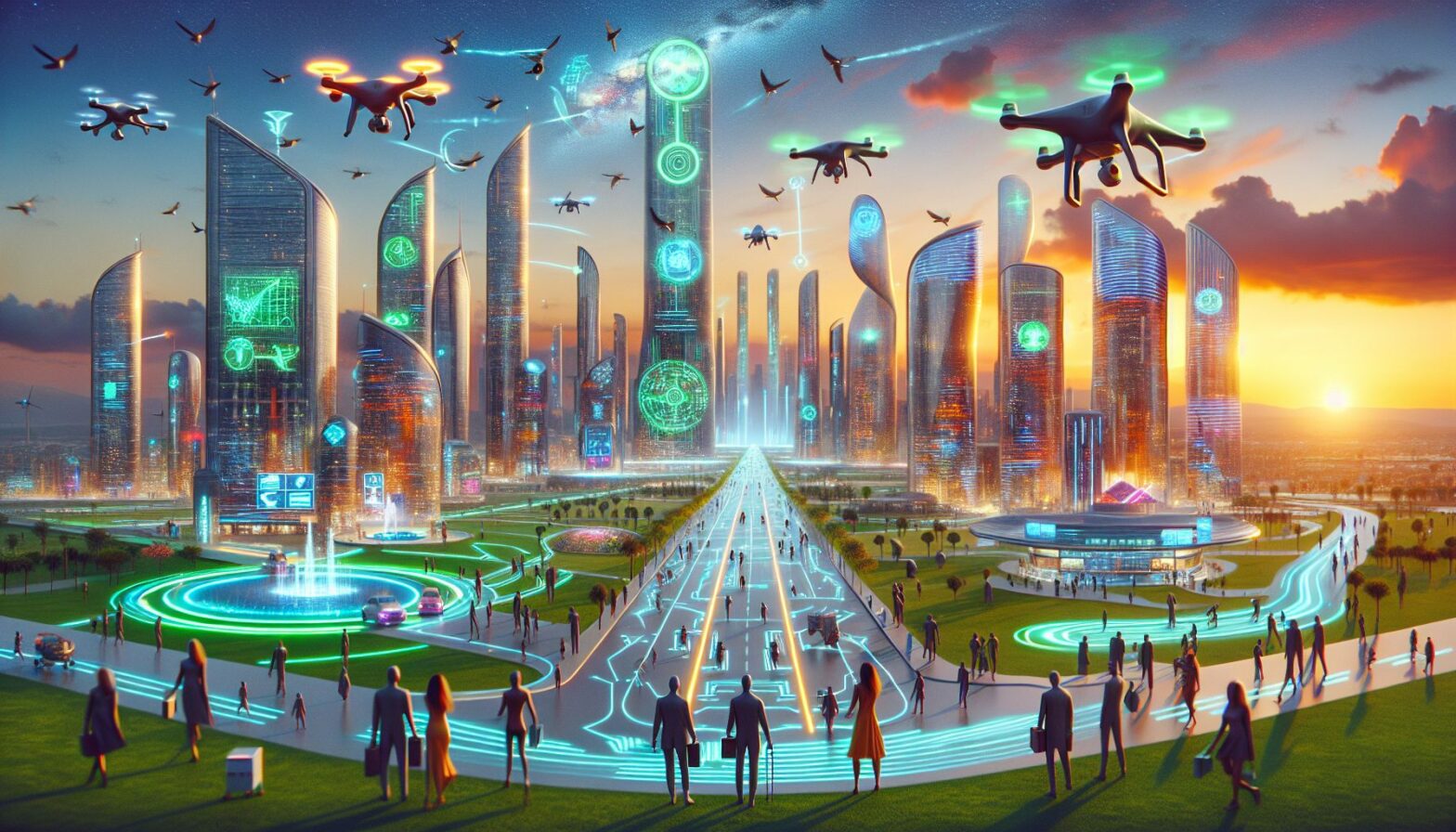
Introduction: The Dawn of the AI Utopia
Technology enthusiasts, innovators, and futurists: welcome to what feels like the edge of something big. Artificial intelligence isn’t just a helpful tool anymore—it’s starting to hint at possibilities that seem almost utopian. As I watch the rapid tech advances defining the 21st century, AI is clearly becoming woven into our daily lives in ways that make me wonder what comes next. The glimpses we’re getting of the future suggest more efficiency, more creativity, and maybe even entirely new ways of existing.
AI is spreading into everything—healthcare, finance, art—and the shift is pretty remarkable when you step back and look at it. If you’re as obsessed with AI as I am, you probably feel that same sense of potential buzzing in the background of every new development. Today, I want to dig into these techno utopian breakthroughs in AI and share what I find both thrilling and a little mind-bending about this technology.
The Current Landscape: AI Transforming the Everyday
Before we start dreaming about AI utopia, let me paint a picture of where we are right now. AI has touched every industry sector with promises of change. Machine learning algorithms optimize logistics, recommend personalized playlists, and even perform precision surgeries. But what really gets me excited is how AI changes what we think is possible in the first place.
AI in Healthcare: A Revolutionary Shift
Picture a world where diseases get diagnosed instantly and personalized treatment plans become as routine as getting your blood pressure checked. AI-driven diagnostics are actually making this happen. We’re not just talking about faster diagnostics here—I’m talking about a healthcare system that watches your health in real-time and predicts problems before they get serious.
Hospitals now use AI algorithms to predict when patients might take a turn for the worse, optimizing treatment before conditions become critical. This predictive capability is just the beginning. The real goal is a healthcare system that learns and evolves with each patient it treats.
Creativity in the Age of AI: Redefining Art
Now let’s talk about the creative world. Whether you’re a digital artist or someone who dabbles in poetry, AI art generators and collaborative platforms are completely changing what creativity looks like. Programs like DeepArt and OpenAI’s DALL-E let artists input concepts and watch artworks come to life with surreal imagination that seemed impossible before. These tools make us question who the real author is, but they also open doors to explore what happens when computational power meets human creativity.
For writers, AI assistants like Grammarly or Sudowrite suggest ideas for plot development, structure, and even dialogue improvements. It challenges old ideas about authorship while giving creators new ways to push their stories further than they could alone.
Towards Utopia: AI’s Potential in Reshaping Society
We’ve covered AI’s current path, but what’s waiting for us in this techno utopian future? To answer that, I need to balance imaginative projections with what’s actually developing today.
AI and the Future of Work: A Symbiotic Relationship
Everyone talks about AI stealing jobs, but I want to flip that narrative completely. In the utopia I’m imagining, AI handles the repetitive, mind-numbing tasks, freeing humans to tackle complex problem-solving and creative work. Picture a workforce where deep learning tools work alongside humans, creating a partnership that actually boosts both productivity and job satisfaction.
The secret sauce here is adaptability. Retraining and upskilling create pathways for a workforce that harmonizes with AI’s capabilities. In this future, AI amplifies human potential instead of replacing it.
Ethical Considerations: Navigating the Morality of Machine Learning
As AI technology moves toward utopia, the ethical questions become harder to ignore. We’re dealing with philosophical frameworks like deontology and utilitarianism in very practical ways. Ethical AI demands transparency, accountability, and fairness, but trust remains surprisingly difficult to achieve. The real challenge is building AI systems responsibly and eliminating biases that could make existing social inequalities worse.
Good outcomes depend on ethically trained AI systems that respect privacy and uphold human values. This means tech companies, regulators, and academics need to work together to guide AI’s moral compass and turn utopian ideals into practical reality.
Navigating Challenges: The Roadblocks Ahead
Let me be honest about the obstacles blocking our path to this utopia. Data privacy issues and the digital divide present real, formidable challenges. AI systems need massive amounts of data to function, but this requirement often clashes directly with privacy concerns.
The digital divide is especially troubling. Tech advancements only matter if they’re inclusive and democratized. Utopian ideals will never materialize if access stays limited to the privileged few. Breaking through these barriers requires collaborative global efforts focused on knowledge sharing and infrastructure development.
Conclusion: Welcoming the AI Utopia
As we face AI’s transformative potential, here’s what I keep coming back to: AI isn’t a magic solution, but it is a powerful tool for boosting ingenuity, efficiency, and creative expression. We’re standing at the edge of what might be history’s biggest technological leap, with AI leading the charge toward this emerging utopia.
To all the AI enthusiasts and tech pioneers reading this, our responsibility is harnessing AI’s promise the right way. That means using imagination, maintaining ethical standards, and driving innovation for everyone’s benefit. As we navigate this path, one thing feels certain: the AI utopia isn’t just some distant dream—it’s becoming reality, and we get to help shape it.
Fellow travelers in AI exploration, it’s a brave new world out there. Let’s write its story together, embracing AI’s wonders and the endless possibilities it creates. As always, I want to hear your thoughts and ideas in this conversation about our future—after all, the road to utopia is built with shared ideas and collaborative thinking.